How the Internet of Things and Medical Design is Changing Healthcare
What is the IoT?
Simply put the Internet of Things (IoT) is the “network of physical objects” that are connected and exchanging data via the internet. How is this new connected world of technology changing Medical Device Design and benefitting the Healthcare sector?
The objects – or ‘things’ – in question are fitted with technologies such as sensors and software. Using internet connectivity, these ‘things’ then communicate and exchange data with each other and wider systems.
In the earliest days of the IoT there was a lot of talk about ‘smart fridges’ knowing when you need to order more milk, but in the years since, the transformative potential of IoT technology has seen it being utilised across a wide range of sectors.

Statistics Behind “Internet of Things“
Some of the key statistics relating to IoT underline the way in which it has moved from being an emerging technology with undoubted potential into occupying a central role in the delivery of many and varied services:
- More than 10 billion IoT devices were active globally in 2021
- Global spending on IoT is estimated to total $15 trillion between 2019 and 2025
- By 2025 the amount of data generated by IoT devices is expected to have reached 73.1 zettabytes. To put this into perspective, each zettabyte is a measure of storage in bytes represented numerically by a 1 followed by 21 zeros
- By the year 2025 it is estimated that 152,200 IoT devices will connect to the internet each minute.
One field in which the impact of the IoT has been particularly dramatic is medicine – and more specifically medical devices.
Rapid rise in IoT Uptake in Medical Care
By 2019, 86% of healthcare organisations were using IoT technology to some degree.
According to Deloitte, the global market in IoT healthcare will be worth $158.1 billion by the end of this 2022.
Forbes magazine published figures in 2020 estimating 646 million IoT devices were used in clinics, hospitals and medical offices during the course of the year.
IoT in Healthcare
As with IoT generally, the definition of IoT in healthcare is relatively simple – it refers to connected devices being used within a medical setting which enables the gathering and sharing of data.
The use and sharing of this data can be very beneficial to patient care and is already having a profound impact on the healthcare sector. ‘IoT in healthcare’ covers everything from digital signage to wearable sensors, smart thermostats and automated lighting systems.
In many cases, existing medical technology – such as an inhaler – can be equipped with IoT technology which transforms the way it performs. Particularly in terms of the observation and regulation a doctor can manage.
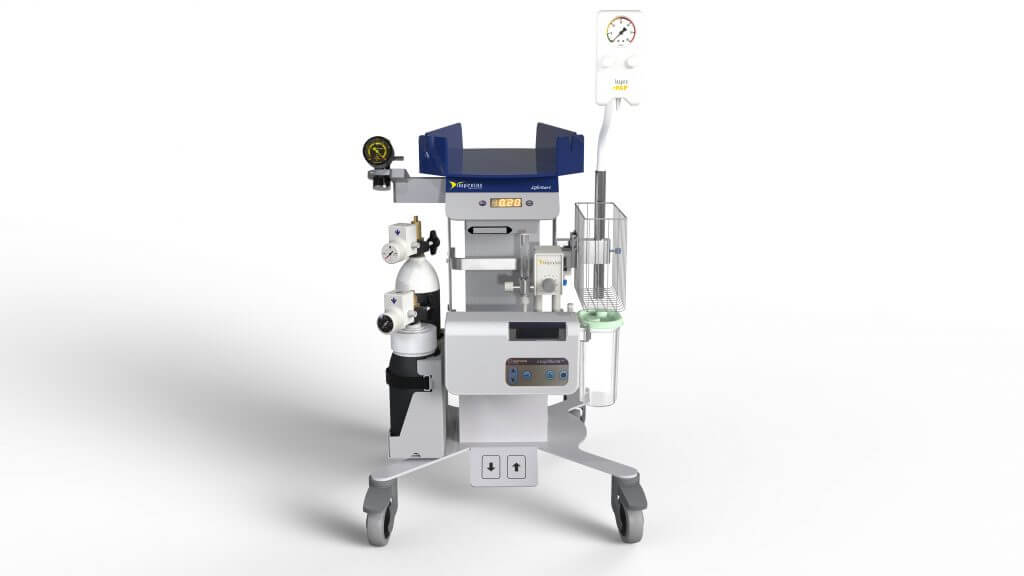
In general, the impact of IoT in healthcare can be broken down into three distinct but equally important areas:
- Improving patient comfort levels and outcomes
Something as simple as a smart thermostat can monitor the temperature in a patient’s room, linked to readings of the temperature of the patient themselves, and adjust the heating settings for maximum comfort.
Similarly, light levels in the room can be programmed to adjust between being brighter when care is being delivered or examinations made.
Both innovations could integrate with bed sensor monitoring. Alerting a nurse or doctor when a patients sudden movements indicate they could be uncomfortable due to the heat or light in the room.
2. Data Gathering for improved decision making
Gathering data – via first hand questioning of the patient or through various tests – sits at the heart of every treatment plan.
The more data readily available, the more effective their chosen treatments are likely to be. IoT innovations such as wearable sensors can greatly enhance the data gathered on a patient, by removing the reliance on the patient’s own descriptions/perceptions of their symptoms and the need for an in-person examination.
Wearable sensors of this kind can also enable factors such as heart activity to be monitored over an extended period away from medical facilities.
3. Enhancing safety
IoT security solutions can play a huge role in making hospitals and other healthcare facilities as safe as possible for staff and patients alike.
Smart locks and automated security systems can guard against the threat of unauthorised admissions, while temperature sensors can ensure that items such as test samples and medicines are all stored at a safe temperature.
Occupancy sensors across different departments could also enable hospital management to track patient numbers and guard against exceeding capacity or having to turn patients away without warning.
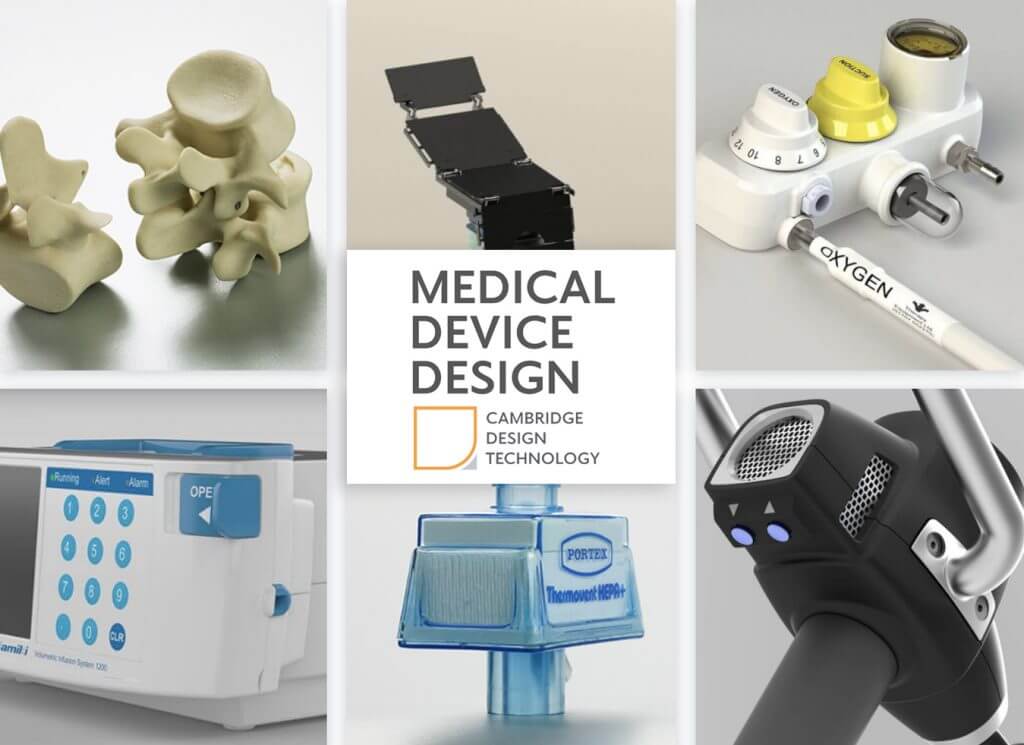
More recent advanced developments include the creation of ‘virtual’ hospital wards – using a range of devices to deliver long-term care to patients in their own homes. Virtual Wards enhance the patient experience whilst freeing up valuable space within hospitals.
Wearable biosensors can track vital signs such as the blood oxygen levels of a patient with a history of breathing difficulties, alerting the patient and medical practitioners as soon as problems become apparent. The same patients might also benefit from the use of connected inhalers which would connect with an app, enabling them to track their medication use and receive alerts to ensure that they stick to any treatment plan.
The only possible limits to the effectiveness of IoT in healthcare are the ingenuity of the practitioners themselves and the skill of the medical design technicians they rely upon.
Need help with a Medical Device Design project?
Here at Cambridge Design Technology we have a rich and detailed understanding of the way in which technologies of every kind can be harnessed to drive improvements in patient care.
Our clients have always relied on our expertise in design and technology in medical device design. We’re used to rising to the challenge of delivering the innovations which medical practitioners demand.
Contact us to discuss your medical device and technology design requirements.