Designing Intravenous Drug Delivery Systems Where Precision Is Critical
Engineering Accuracy, Safety and Reliability into Medical Devices
In healthcare, precision is not a performance metric – it is a matter of patient safety. Nowhere is this more evident than in intravenous (IV) drug delivery systems, where even the smallest deviation in dosage or flow rate can have serious clinical consequences.
For product teams developing IV infusion devices, the challenge is clear: how to deliver absolute accuracy and repeatability, while ensuring reliability, usability and compliance with stringent regulatory standards.
Cambridge Design Technology (CDT) brings extensive experience in medical device development, supporting clients in creating IV drug delivery systems and other safety-critical healthcare technologies. Their multidisciplinary engineering approach ensures that precision is designed into every level of the product, from mechanical architecture through to real-world usability.
The Risks of Inaccuracy in Drug Delivery
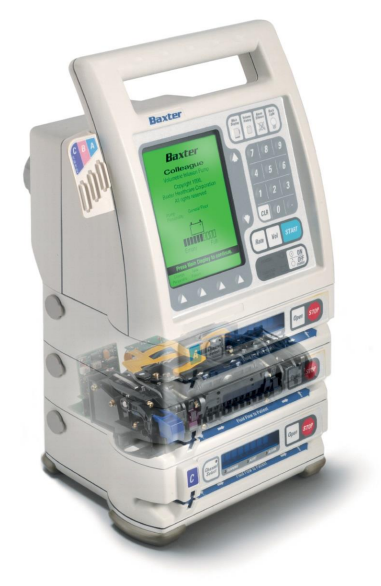
IV drug delivery systems must perform flawlessly. Inaccurate dosing, inconsistent flow rates or mechanical failure can lead to under-delivery, over-infusion or interruptions in treatment — all of which carry significant risks for patients.
Real-world conditions compound these challenges. Devices must operate reliably over extended periods, often in high-pressure clinical environments, while maintaining exact delivery parameters.
For engineering teams, this means designing systems that eliminate variability and provide consistent, predictable performance across every use case.
Engineering for Precision and Repeatability
At the core of any IV drug delivery system is the need for precise, repeatable mechanical performance.
CDT applies a systems-level approach to mechanical design, ensuring that motion, control and fluid handling components work together seamlessly. Whether developing volumetric infusion devices or syringe drivers, careful attention is paid to how mechanical tolerances, component interactions and actuation systems influence delivery accuracy.
Small variations in movement or alignment can translate directly into dosing errors. CDT’s engineering teams therefore focus on eliminating these risks through robust design, controlled motion systems and repeatable mechanical architectures.
Tolerances, Materials and Usability
Achieving precision in IV drug delivery is not just about design intent — it depends on how components are manufactured, assembled and used.
CDT carefully considers tolerances and material selection to ensure consistent performance over time. This includes selecting materials that offer stability, durability and compatibility with medical environments, as well as designing components that maintain accuracy despite wear, temperature variation or repeated use.
At the same time, usability remains critical. Devices must be intuitive for clinicians, minimising the risk of user error while supporting efficient workflows. By integrating human factors into the engineering process, CDT ensures that precision is supported not only by the design, but also by how the device is used in practice.
Designing for Safety, Cleaning and Long-Term Reliability
Medical devices must meet the highest standards of safety and hygiene. For IV drug delivery systems, this includes designing components that can be easily cleaned, resist contamination and maintain performance over extended lifecycles.
CDT incorporates these requirements from the outset, ensuring that designs support:
- safe interaction between device and patient
- ease of cleaning and maintenance
- long-term reliability under repeated use
By addressing these factors early in the development process, CDT helps reduce risk and ensures devices are fit for real-world clinical environments.
Supporting Regulatory and Clinical Requirements
IV drug delivery systems operate within highly regulated frameworks, where compliance is essential for market approval and patient safety.
CDT supports clients by embedding regulatory considerations into the engineering design process. This includes designing for traceability, repeatability and validation, ensuring that devices can meet the rigorous demands of clinical testing and approval pathways.
By aligning engineering decisions with regulatory requirements from the outset, CDT helps streamline development and reduce time to market.
Proven Experience Across Medical Device Development
Cambridge Design Technology has worked with a wide range of leading organisations across the medical sector, including Baxter Healthcare, Altana Pharma, Ranier Technology, Clintec Nutrition, Cambridge Biostability, Rocket Medical, Sims Portex, Reneuron, Namiki Precision (Medical), Tissue Regenix, Therapy Equipment and Summit Medical.
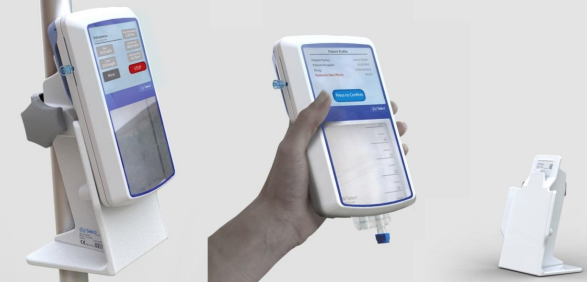
This experience spans a broad range of applications, including IV infusion devices, renal dialysis systems, drug reconstitution technologies, bio-surgery solutions and nutritional enteral feeding devices, as well as blood gas analysis and advanced optical systems.
This depth of experience enables CDT to bring proven engineering insight to complex, safety-critical medical challenges.
A Unique Team Delivering World-Class IV Drug Delivery Systems
CDT’s strength lies in its multidisciplinary team, combining mechanical engineering, product design and development expertise to deliver world-class medical devices.
Their collaborative approach ensures that every aspect of an IV drug delivery system — from precision mechanics to usability and compliance — is considered as part of an integrated solution.
For product teams, this means reduced risk, improved performance and confidence that the final device will meet both clinical and commercial expectations.
Partner with CDT on Your Next Medical Device Programme
If you are developing IV drug delivery systems or other precision-critical medical devices, Cambridge Design Technology can support your programme from concept through to manufacture.
Explore CDT’s Medical Device Development expertise, learn more about their Mechanical Design capabilities, or discover how their Industrial Design and Development services can enhance usability and product performance.
Contact Cambridge Design Technology today to discuss how their engineering team can help you deliver safe, reliable and high-performance medical devices.