Engineering a Fluidics Test Fixture for Precision, Control and Adaptability
Intelligent Mechanical Systems for Real-World Testing and Commissioning
In complex product development programmes, test and verification systems must deliver absolute confidence in performance. Fluidics sub-systems in particular demand high levels of accuracy, repeatability and control, as even small variations can affect system behaviour and downstream validation results.
As an experienced mechanical design consultancy, Cambridge Design Technology (CDT) was tasked with creating a bespoke fixture to enable reliable verification of fluidics sub-systems. The project demonstrates CDT’s strength in intelligent mechanical systems, multidisciplinary coordination and designing for real-world test environments where precision and adaptability are essential.
Enabling Reliable Verification of Fluidics Performance
A fluidics test fixture provides the controlled physical platform needed to evaluate how fluid-handling components behave under defined conditions. For this project, the challenge was not simply to hold components in place. The system needed to deliver:
- precise, repeatable positioning
- programmable motion control
- built-in intelligence to support commissioning
- mechanical flexibility to adapt as test requirements evolved
This combination required a systems-level engineering approach rather than a purely structural design.
Dynamic Motion for Programmable Precision
At the heart of the fixture is a motor-controlled moving system designed to provide accurate, repeatable motion during testing. The mechanism allows engineers to program and adjust movement profiles, ensuring consistent test conditions across multiple runs.
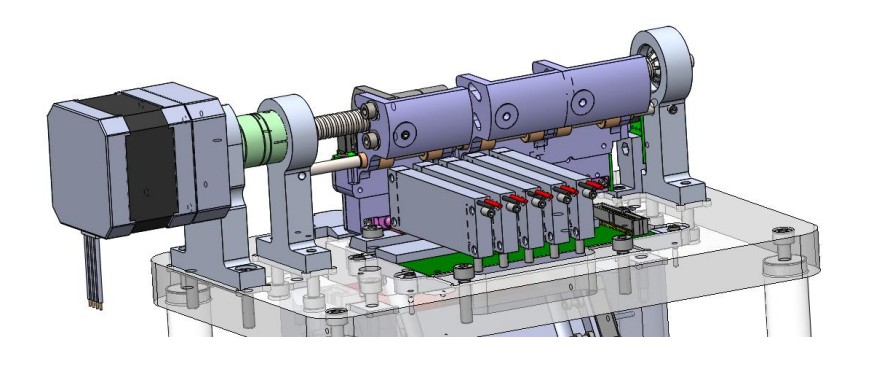
CDT’s mechanical engineers applied their expertise in Mechanical Design services to develop a robust architecture that maintains alignment and positional accuracy under dynamic operation. Careful attention to tolerances and mechanical interfaces ensured the system could deliver dependable performance throughout the test cycle.
Embedded Intelligence for Commissioning and Live Adjustment
Unlike static fixtures, this system incorporates built-in positional intelligence. This allows engineers to monitor and adjust the mechanism during commissioning and throughout testing.
Designing this level of embedded capability required close coordination between mechanical layout, sensing strategy and future electronics integration. By planning for intelligence from the outset, CDT ensured the fixture could support:
- live positional feedback
- rapid commissioning adjustments
- flexible test configuration changes
This forward-thinking approach reduces risk during validation and supports faster iteration as product requirements evolve.
Designing for Adaptability in Evolving Test Environments
Test requirements rarely stand still. CDT therefore engineered adjustability directly into the mechanical system so the fixture could be tuned and modified without major redesign.
Key adjustment features were built into the structure to allow engineers to refine positioning and accommodate changing fluidics configurations. This reflects CDT’s wider philosophy of designing not just for current requirements, but for the realities of ongoing development and commissioning.
Coordinating Multi-Process Manufacture
The fixture brought together components produced using several manufacturing methods, including:
- 3D printed parts
- machined aluminium components
- precision steel elements
- engineered plastics
Managing tolerances and interfaces across mixed manufacturing routes was critical. CDT coordinated the full manufacturing workflow, ensuring each component met specification and assembled correctly at system level. Their experience in advanced prototyping and production engineering helped minimise risk during build and integration.
Final Build, Integration and Debug
Following manufacture, CDT completed the full mechanical assembly, alignment and debugging of the fixture prior to handover. This hands-on phase is often where system-level issues surface, particularly in complex moving assemblies.
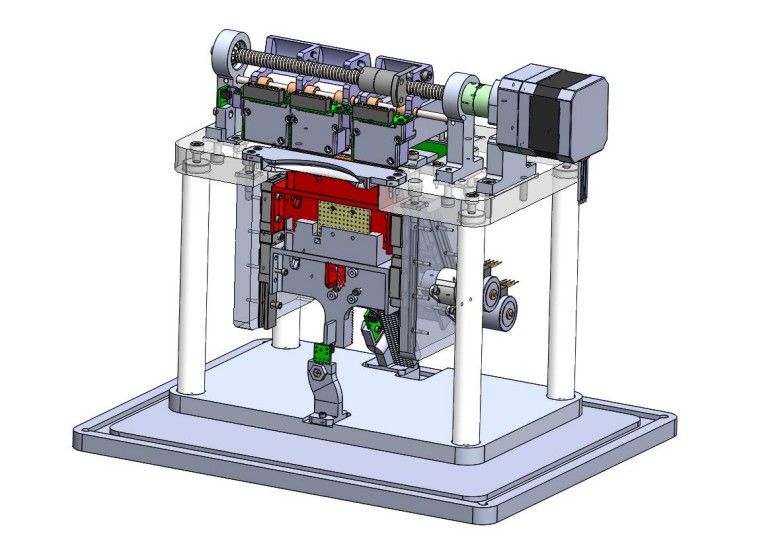
By taking ownership of the final mechanical build, CDT ensured the fixture was fully validated and ready for the next stage of development. The system was then successfully handed over to the wider engineering team for electronics and software integration.
This integrated approach reflects CDT’s ability to work seamlessly within multidisciplinary programmes and support clients through critical development milestones.
Systems-Level Mechanical Engineering You Can Rely On
This fluidics fixture project highlights Cambridge Design Technology’s strength in designing intelligent mechanical systems for demanding test and validation environments. From dynamic motion control to mixed-manufacture coordination, CDT delivers engineering solutions that perform reliably in the real world.
If you are developing complex equipment that requires precision test systems, explore CDT’s Mechanical Design expertise or learn more about their Industrial Design and Development capabilities.
Contact Cambridge Design Technology today to discuss how their multidisciplinary engineering team can support your next development programme.